
Polished Concrete Floors.

Mechanically refined concrete that achieves a smooth, durable finish with varying levels of aggregate exposure and gloss. Timeless, low-maintenance, and built to last a lifetime.

✨ Mechanically Refined — No Topical Coating

🪨 2 Aggregate Exposure Styles
💡 4 Gloss Levels Available
🧹 Low Maintenance for Life
🏢 Residential & Commercial

Aggregate Exposure Options

Polished concrete is created by mechanically refining the surface to achieve a smooth, durable finish. The final look depends on how much of the surface is refined — which determines aggregate exposure.
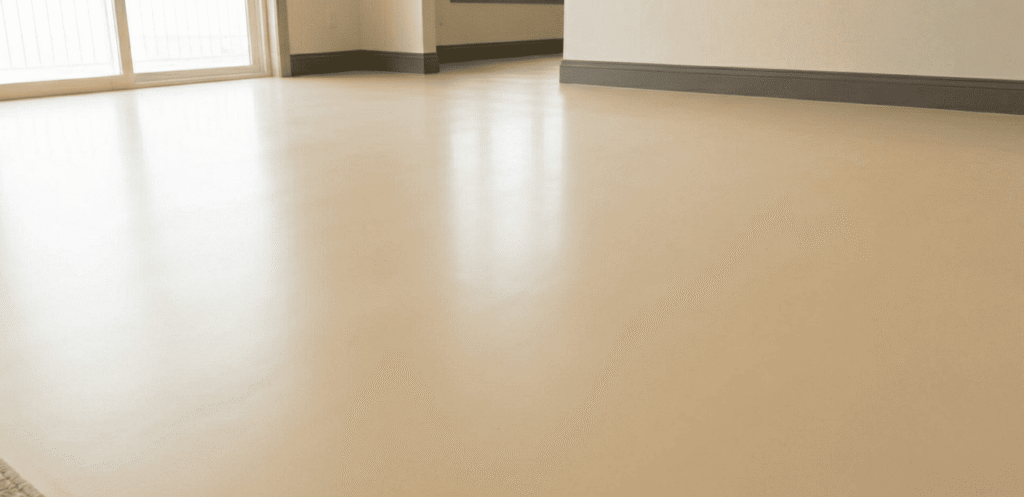
Cream Finish

A cream finish maintains the natural cement surface with little to no visible aggregate. The surface retains its smooth, uniform appearance — a clean, modern look that works beautifully in residential and upscale commercial settings.
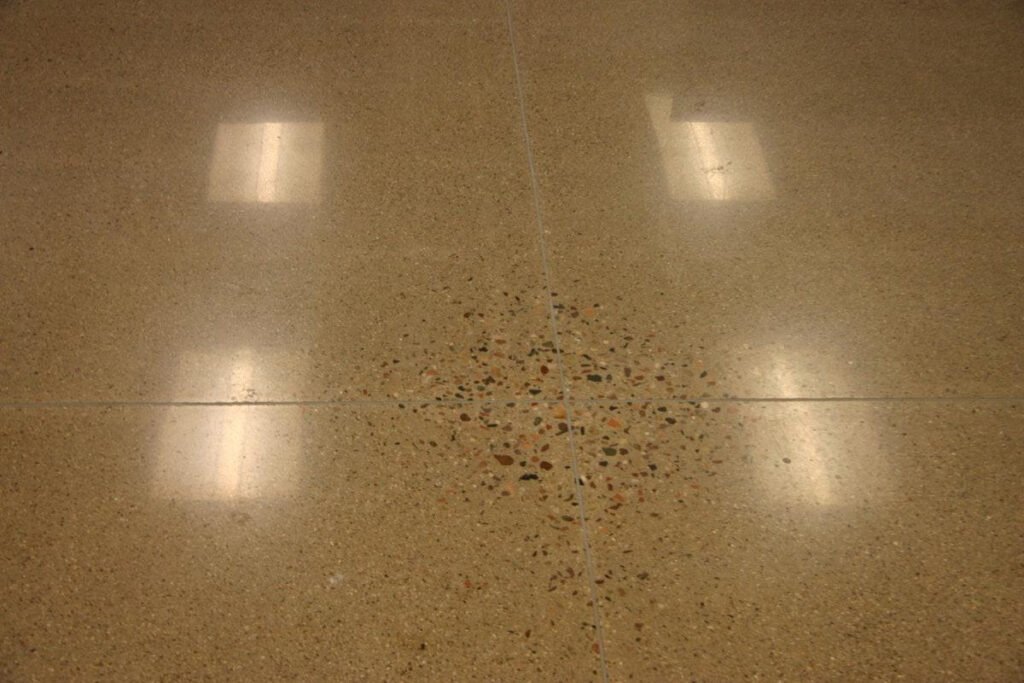
Salt & Pepper Finish

The most popular polished concrete finish. A light grind exposes fine sand aggregate just below the surface — creating a subtle, consistent texture with natural character. More forgiving than cream finishes and ideal for a wide range of spaces.

From Matte to Mirror — You Choose

Gloss is created during the polishing stage and is completely independent of aggregate exposure. Both cream and salt & pepper finishes can be produced at any of the four shine levels below.
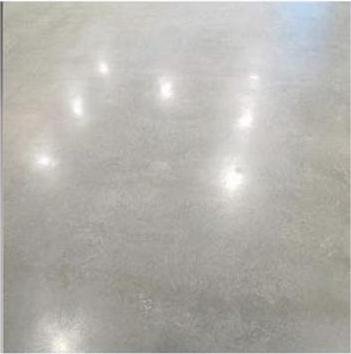
Level 1

Flat, natural appearance with no visible reflection. A subtle, understated look that works well in industrial or rustic settings.
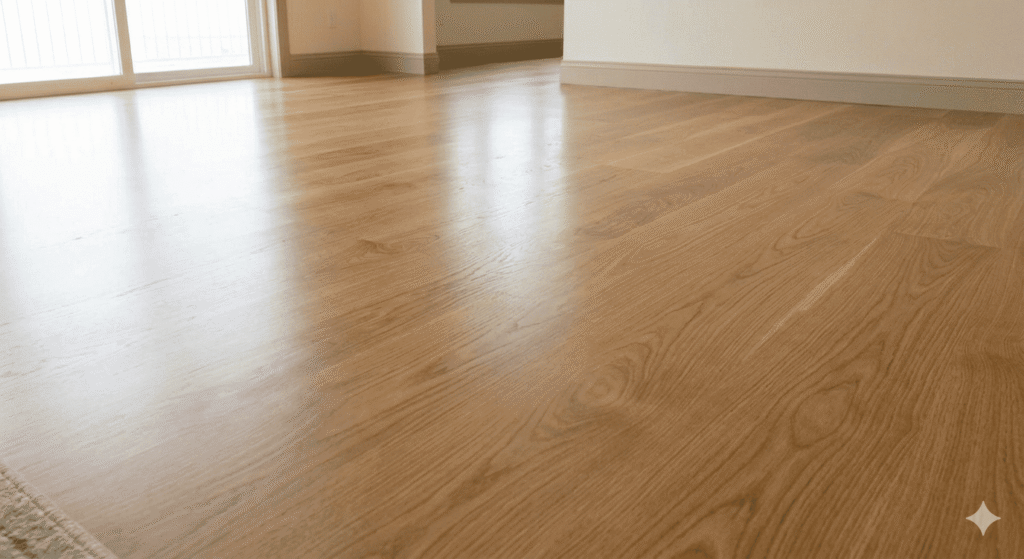
Level 2

Soft, clean look with light reflectivity. The most popular commercial choice — professional without being overly glossy.

Level 3

Noticeable shine with increased clarity and depth. Brightens spaces and creates an impressive appearance in both residential and commercial settings.
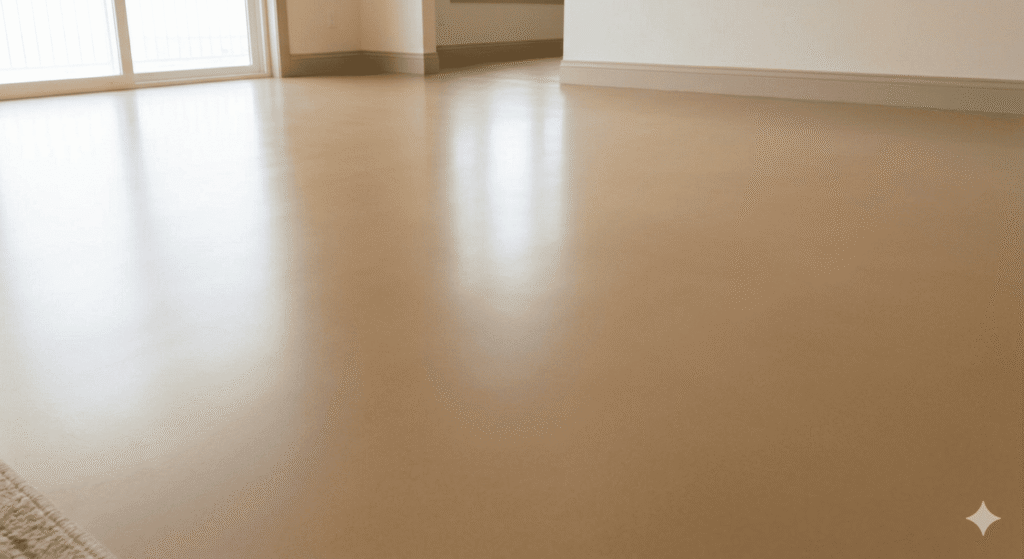
Level 4

Maximum reflectivity — a true mirror-like finish. A showstopper for retail environments, showrooms, and upscale residential spaces.

Everything You Need to Know

Every polished concrete floor is unique — here’s what to understand before getting started.

🪨

Every Floor Is Unique

Final appearance depends on the concrete itself — its age, mix design, and finish quality all influence the result. No two polished floors are identical.

Shine Built In — Not On Top

Unlike coatings, polished concrete's gloss is mechanical — created from within the slab itself. It doesn't peel, chip, or wear away like a surface coating.

💡

Higher Gloss = More Light

Higher gloss levels enhance light reflection and overall brightness of the space. A 3000-grit polish can visually transform a dark basement into a bright, open room.

🧹

Low Maintenance for Life

Polished concrete is durable, stain-resistant, and easy to clean. Routine sweeping and occasional damp mopping is all that's required — no re-coating, ever.

Common Questions

How long does installation take?
Cream finish maintains the natural cement surface with minimal grinding — giving a smooth, uniform appearance. Salt & pepper involves a slightly deeper grind that exposes fine sand aggregate just below the surface, creating subtle texture and visual depth. Salt & pepper is the most popular choice.
Yes — significantly. The quality, age, and original finish of your concrete directly influences how the polished floor looks. Cream finishes require a higher-quality, well-finished slab. Salt & pepper finishes are more forgiving. Chad assesses your slab during the free consultation and sets realistic expectations before any work begins.
Routine sweeping or dust mopping to remove grit (which can scratch over time), and occasional damp mopping with a neutral pH cleaner. Avoid acidic or highly alkaline cleaners. For high-traffic commercial spaces, a periodic maintenance polish can restore the shine — but for most residential applications, basic cleaning is all that’s needed.
Do you offer a warranty?
It depends on your space and aesthetic goals. Matte and satin (400–800 grit) work well in industrial, rustic, or modern commercial settings. High gloss and ultra high gloss (1500–3500 grit) are popular for residential spaces, showrooms, and anywhere you want to maximize brightness and visual impact. Chad will walk you through the options at your free consultation.
Polished concrete has a higher upfront investment but lower long-term maintenance cost — there’s no topcoat to re-apply. Coatings like polyurea have lower upfront cost but may require recoating over time. Polished concrete also has a very different aesthetic — natural, minimal, and architectural rather than decorative or colorful.
Most concrete slabs can be polished, but results vary based on slab condition and quality. Very old, heavily damaged, or low-quality slabs may not achieve a cream finish and may be better suited to salt & pepper or a coating system instead. Chad evaluates this during the free consultation and recommends the best approach for your specific floor.